



Local Expertise. Global See What We Do We turn Evidence into Explore Our Work We Make Vision Work. Partner With Us Proving What is It's Our Thing. See Results.
about us

Local Impact.
Global Standards.

The InSight Health Group exists to strengthen health systems, deliver inclusive clinical research, and support underserved communities through data-driven public health solutions.

We’ve partnered with donors, ministries, and development actors for over two decades to build resilient healthcare ecosystems across Africa and beyond.

0 +
Countries Impacted
0 +
Projects Completed
0 +
Partners Engaged
0 M+
Lives Impacted
Our Pillars

We achieve our mission through our three entities:

InSight Health Group

HEALTH CONSULTING

InSight Health Consulting provides technical skills for health population analysis, planning, programming, and management to achieve sustainable and significant health outcomes.
InSight Health Group

CLINICAL RESEARCH

InSight Health Clinical offers end-to-end clinical research services that combine regulatory insight, and project precision, tailored for emerging health innovators.
InSight Health Group

COMMUNITY SERVICE

InSight Community Service is a nongovernmental organization established to promote health equity for underserved communities, leaving no one behind.
insight journey

Dr. Nnenna Mba-Oduwusi

From a bold idea to a trusted partner in global health.

In 2008, Dr. Nnenna Mba-Oduwusi set out to build something different, locally grounded, woman-led, and globally engaged. What began as a one-woman consultancy has evolved into InSight Health Group, a multidisciplinary organization that works across systems, research, and community. Her vision continues to shape how we lead, serve, and deliver impact.

Why InSiGHt Health group?

What Sets Us Apart:

Trusted by Partners

PATH, FHI360, Shell, UNAIDS

ISO 9001 Certified

International quality you can count on

Local Expertise

Rooted in context, backed by data

Evidence-Driven

We turn research into impactful results

Our Network of

Clients & Partners

Dive into

Our InSights

Why health system reform often fails in low and middle-income countries

The day-to-day problems people experience in many low- and middle-income countries (LMICs) (i.e. medicine stock-outs, long waiting times, understaffed facilities, weak referral systems, and high out-of-pocket payments) often reflect deeper system challenges. These can include weak infrastructure and maintenance, inconsistent financing, gaps in leadership and accountability, shortages or uneven distribution of skilled health workers, and supply chain problems. A useful way to understand these moving parts is the World Health Organization’s health system “building blocks”: service delivery, health workforce, health information, medicines and technologies, financing, and leadership/governance.

The consequences of these gaps were notable during the COVID-19 pandemic. The pandemic not only increased demand for care but also disrupted routine services in many LMICs.

Thus, governments, NGOs, and international partners often work together to improve performance. One major strategy they use is health system reform. This is the deliberate change in how health services are financed, organised, delivered, and governed, to improve access, quality, and fairness. Health reforms are often linked to the broader goal of universal health coverage, which is to ensure people can get the services they need without financial hardship.

So, if reforms are meant to strengthen systems, why do they so often fail to deliver the results people expect?

1) Reforms look good on paper, but implementation is weak

A reform is not a policy document. It is what changes in clinics, hospitals, and communities. Many reforms stall because the “how” is not clear: who will do what, with which resources, and how progress will be tracked. When accountability is weak, even a well-designed reform can lose direction and become symbolic. This is why it is emphasised that there must be accountable relationships among citizens, providers, and the state regarding how reforms will take place and who will do what.

2) Political commitment fades, but reforms need steady support

Health system reforms usually take years, not months. When leadership changes, budgets tighten, or attention shifts to a new priority, reforms can lose momentum. Over time, implementation becomes inconsistent, supervision reduces, and performance monitoring weakens. One notable challenge in this area is the fact that many countries’ governments sometimes “police” policies rather than build implementation capability.

3) Short-term funding cannot buy long-term system change

Strengthening a health system is expensive and ongoing: salaries, training, supply chains, data systems, facility operations, and quality improvement all require predictable financing. When funding is unstable, as is often the case with many LMICs, or tied to short project cycles, reforms may start strongly but fade before they mature.

This challenge can be bigger in settings where external funding plays a large role. Aid can be volatile relative to country budgets, and donor cycles do not always match the long timelines needed for system reforms.

4) Health workers are central, but reforms sometimes treat them as an afterthought

Reforms succeed or fail at the point of care. This is where health workers provide services, explain decisions, document care, and build trust with patients. When reforms do not address the realities health workers face (workload, pay, supervision, supplies, safety, and career progression), implementation suffers. Health workers may comply on paper without meaningful change in practice.

The idea here is well supported in health reform literature: reforms are highly context-dependent and require attention to workforce realities, not just technical designs.

5) Community involvement is often promised, but not built into the reform

Community engagement is frequently mentioned in reform plans, but it is not always funded, structured, or sustained. Yet communities can help define priorities, report barriers to access, and improve trust, especially when reforms affect costs, service hours, or the way care is delivered.

When communities feel excluded, trust can drop, and people may delay care, self-treat, or stop using services, even when services technically exist. This is part of why quality and trust are treated as central, not optional, to progress in health systems.

What makes reform more likely to succeed?

Identifying gaps is a strong start, but successful reform usually includes:

  • A realistic implementation plan: clear roles, timelines, and feedback loops, not just a policy launch.
  • Stable financing: funding that supports core system functions over the years, not only short projects.
  • Workforce-centred design: fair and timely remuneration, supportive supervision, training, and the tools needed to do the job.
  • Accountability: incentives and oversight that make it easier to do the right thing and harder for resources to leak or plans to stall.
  • Context-fit solutions: borrowing ideas from other countries can help, but reforms must match local culture, institutions, and community realities.

Conclusion

Health system reforms in LMICs often fail not because reform is pointless, but because systems are complex and change takes sustained effort. Policies must be matched with implementation capacity, stable financing, meaningful involvement of health workers and communities, and accountability that stays strong long after take-off.

Why we must view social accountability as a multi-component strategy to tackle corruption in the health sector: the case of Nigeria

Efforts to tackle corruption in the health sector often fail not because social accountability is ineffective, but because it is applied too narrowly.

In our recent blog, authored by Aloysius Odii and Nnenna Mba‑Oduwusi, and published by the Global Network for Anti-corruption, transparency and accountability in health (GNACTA), we argue that social accountability should be understood and designed as a multi-component strategy, rather than a single intervention. Using the Nigerian health sector as a case study, the article showcases how power, incentives and systems can help sustain anti-corruption efforts.

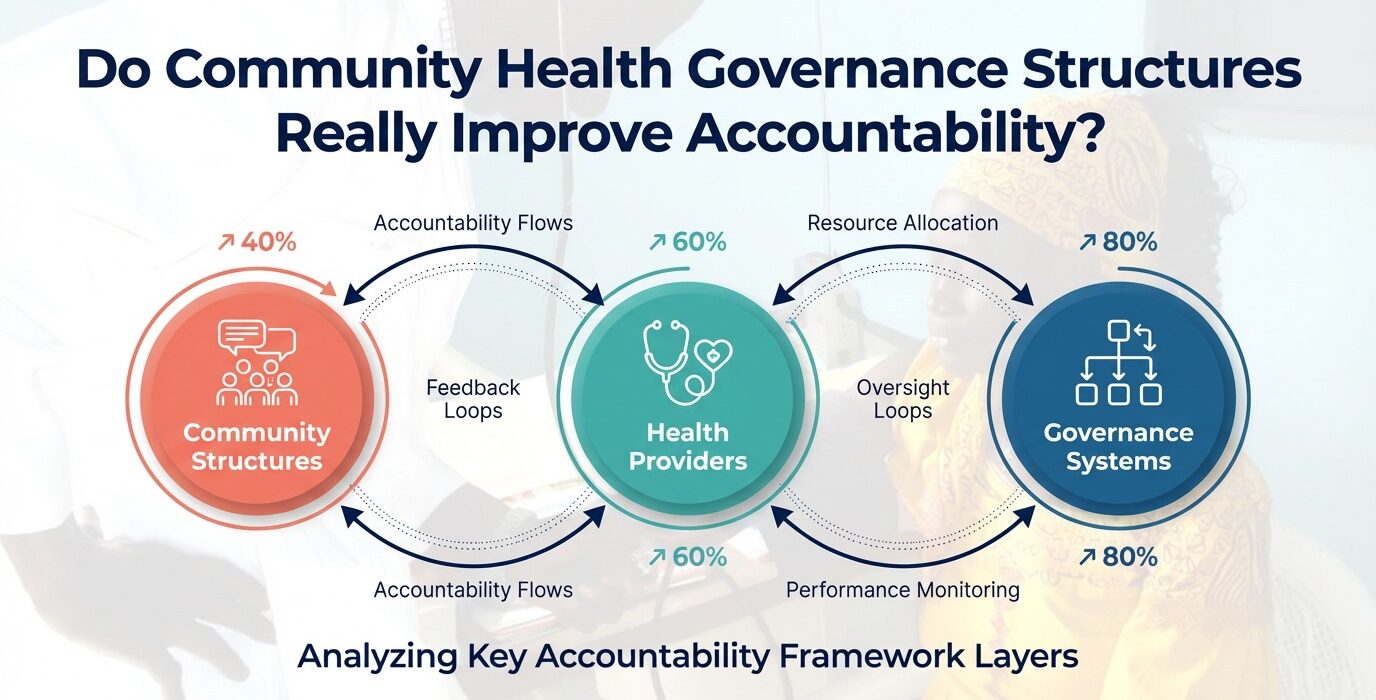
Meaningful impact emerges when social accountability mechanisms are intentionally linked to institutional responsiveness, oversight structures, enforcement pathways, and feedback loops. When these components work together, citizen voice is more likely to translate into improved service delivery and better health outcomes.

We are encouraged that this perspective resonated with reviewers and that the blog was recognised by the Accountability & Anticorruption SDG Thematic Working Group, Health Systems Global (TWG-AAA), through a competitive review process for its relevance to advancing the field. More importantly, we hope the ideas contribute to deeper reflection on how social accountability is designed, funded, and implemented in Nigeria and similar contexts. 

Read about the blog here

Early Stakeholder Engagement: The Foundation of Successful Health Interventions

One major reason health interventions fail to achieve their intended impact is poor or delayed engagement of key stakeholders. Stakeholder engagement is the engine of any successful health intervention. Without it, even the most well-funded or technically sound projects risk performing below expectations once implemented.

Stakeholders, whether policymakers, community leaders, healthcare workers, beneficiaries, or implementing partners, hold critical influence over how interventions are received, implemented, and sustained. Their voices shape the design, relevance, and long-term viability of any health programme. Yet, in many cases, stakeholder engagement is not taken seriously.

What Stakeholder Engagement Really Means

Stakeholder engagement goes beyond holding consultative meetings or sharing progress reports. It is about the active and meaningful involvement of people and institutions who influence or are affected by an intervention. True engagement means that stakeholders are not passive recipients of information, but co-creators in the process. That means they help shape objectives, implementation strategies, and evaluation frameworks.

This collaborative process is vital because it brings together diverse experiences and local knowledge. When communities and professionals jointly define problems and propose solutions, interventions become more contextually grounded, feasible, and sustainable.

Why Early Engagement Matters Most

Our experience from multiple projects consistently demonstrates that the timing of stakeholder engagement is as important as the engagement itself. Early engagement, beginning from the conception and design stage, sets the foundation for success.

When stakeholders are engaged early, several benefits follow:

  • Interventions are better aligned with local realities. Stakeholders help identify community needs, socio-cultural barriers, and political sensitivities that outsiders may overlook.
  • Trust and accountability are built from the start. Early dialogue fosters transparency, reduces suspicion, and ensures that roles and responsibilities are clearly defined.
  • Ownership and sustainability are enhanced. When people feel that they have contributed to shaping an intervention, they are more likely to champion it and sustain it beyond project timelines.

Early engagement also helps identify potential risks before they become major obstacles. Whether it’s community resistance, policy misalignment, or operational gaps, these issues can be mitigated when stakeholders are part of the planning.

The Consequences of Late or Superficial Engagement

On the other hand, delayed or poor stakeholder engagement often leads to disconnection between the intervention and the realities it seeks to address. Projects designed without early local input tend to misalign with community priorities, resulting in weak ownership, low adoption, and poor outcomes.

Delayed engagement can also create operational bottlenecks. For example, frontline health workers may resist new reporting systems if they were never consulted about their practicality. Policymakers may deprioritise interventions they were not involved in shaping. Ultimately, poor engagement translates to poor coordination, wasted resources, and unacceptable results.

Laying the Foundation for Success

Early stakeholder engagement is not merely about starting conversations; it is about establishing a partnership built on mutual trust, respect, and accountability. It allows implementers to see the intervention through the eyes of those who will live with its outcomes. It ensures that health interventions are not just designed for people but with them.

At InSiGHt, we have learned that meaningful engagement must begin at the earliest possible moment, and that is when the problem is being defined, not after the solution is decided. This approach transforms stakeholders from external observers into active partners and helps to bridge the common divide between project design and implementation reality.

Conclusion

Health interventions succeed not only because of strong technical design but because of strong relationships. Early stakeholder engagement builds those relationships. It provides the foundation on which trust, coordination, and sustainability rest. Without it, even the most ambitious health projects may struggle to take root.

The next part in this series will explore how to engage stakeholders effectively. We will outline practical steps and tested strategies for inclusive, transparent, and sustained collaboration across all stages of a health intervention.

Health Workers’ Experiences with Digital Newborn Care Training in Nigeria

Every year, millions of newborns around the world take their first breath, and for many in sub-Saharan Africa, it is also their last. To put this into context, in 2022, about 2.3 million children died within the first 28 days of life. Nigeria has a high neonatal mortality rate, put at 30 to 40 deaths per 1,000 live births. Many of these deaths occur in the first 24 hours after birth and are preventable with timely and skilled care.

In our recent study published in Simulation in Healthcare, we offer new evidence that digital learning platforms can help save newborn lives by strengthening the capacity of frontline health workers in Nigeria. The study, supported by the Bill & Melinda Gates Foundation and implemented by the American Academy of Paediatrics (AAP), examined how nurses, midwives, and doctors in northern Nigeria were affected by a digitally delivered Essential Newborn Care (ENC) training program.

Saving lives: digitally

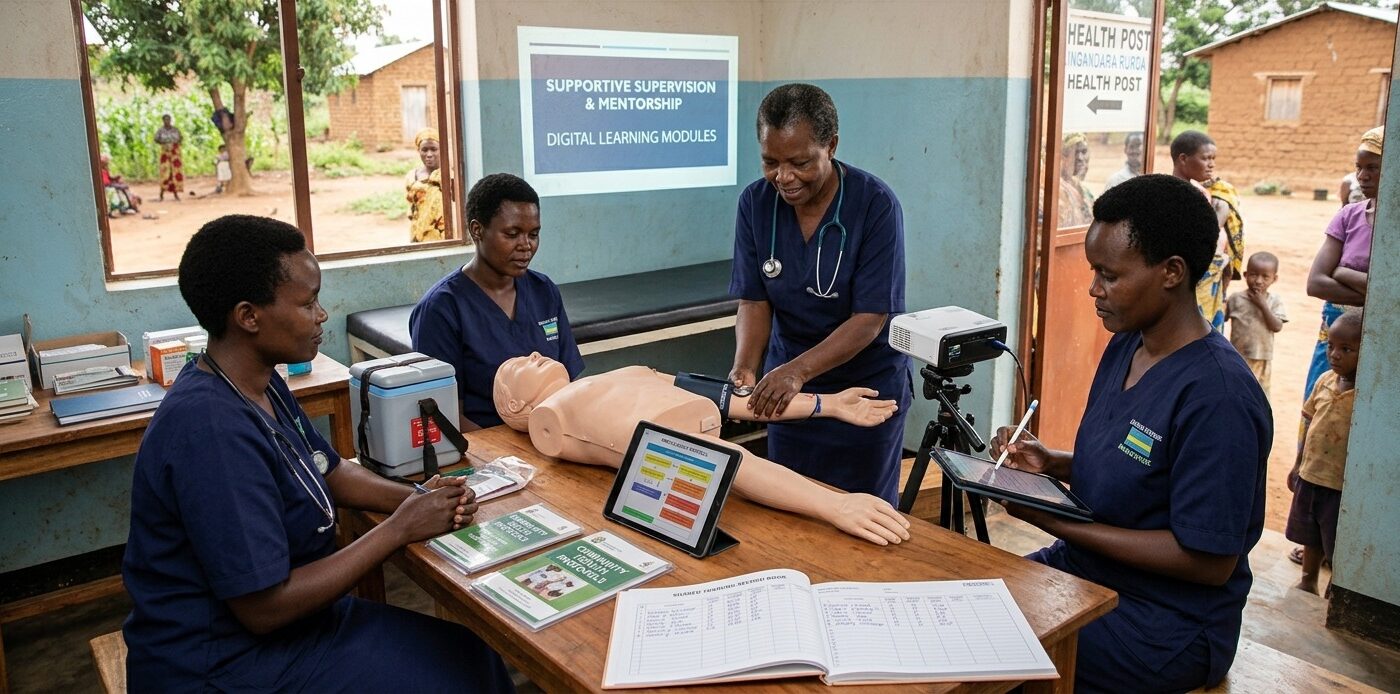
When the COVID-19 pandemic disrupted in-person training across much of Africa, medical educators had to innovate. The Nigerian team adopted a remote facilitation model that combined online sessions via Zoom with in-facility, hands-on practice supported by neonatal simulators, particularly NeoNatalie Live (NNL), a high-fidelity manikin that provides digital feedback on newborn resuscitation skills.

Health workers from four secondary health facilities in Borno, Yobe, and Gombe States participated in the training, guided by facilitators from the Pediatric Association of Nigeria (PAN), AAP, and InSiGHt Health Consulting (IHC). Using the digital ENC Course and the NeoNatalie app, participants learned evidence-based practices such as drying and stimulating the baby immediately after birth, avoiding unnecessary suctioning, ensuring proper ventilation at 40 breaths per minute, delaying cord clamping, and promoting skin-to-skin contact and early breastfeeding.

What we found

At the end of the exercise, we conducted Interviews and focus group discussions (FGDs) with the participants. Our findings revealed that the participants not only learned new techniques but also transformed their approach to newborn care. Many reported abandoning outdated and potentially harmful practices, such as turning babies upside down after delivery, and instead applying methods that prioritise the newborn’s breathing and bonding with the mother.

These behavioural shifts were more than theoretical. Several health workers observed tangible improvements in their wards (i.e., fewer asphyxiated babies, fewer referrals, and fewer deaths). One facility that used to record around 11 neonatal deaths per month reported a reduction to just 3 following the training.

Barriers on the path to progress

Yet, the journey was far from smooth. The study participants identified several barriers that limited the full potential of digital training.

First, access to simulators was a recurring issue. With only a few NeoNatalie manikins available per facility, health workers often had to queue for practice, which constrained learning opportunities.

Second, poor internet connectivity, a common challenge across many parts of Nigeria, disrupted real-time instruction and feedback. Third, workload pressures and staff shortages made it difficult to apply newly learned skills in busy maternity wards. Some health workers admitted that when labour rooms became crowded, they reverted to older shortcuts to save time. Finally, resistance to new practices among untrained colleagues slowed adoption.

Way forward

These challenges have shown that training alone is not enough. Digital learning can empower health workers with new skills, but systemic barriers, ranging from inadequate staffing to weak infrastructure, must also be addressed for sustainable impact.

Thus, successful scale-up requires “a dual focus on education and health system strengthening.” That means providing more training equipment, improving connectivity, redistributing workloads, and ensuring that refresher training is built into health systems. Continuous mentoring, peer-to-peer learning, and institutional support can help trained staff sustain and spread their skills.

Conclusion

Our study suggests that we can save more lives by improving healthcare workers’ skills and capacity in newborn care. This study from Nigeria offers hope: that by combining technology, training, and teamwork, health systems can bridge the gap between knowledge and survival.

Furthermore, we acknowledge the challenges of implementing a digital education in resource-constrained settings. Yet, there is evidence that digital and simulation-based training can be locally adapted, affordable, and impactful, even in fragile contexts. As Nigeria and other countries work toward the Sustainable Development Goal of ending preventable newborn deaths, scaling up such innovations is critical.

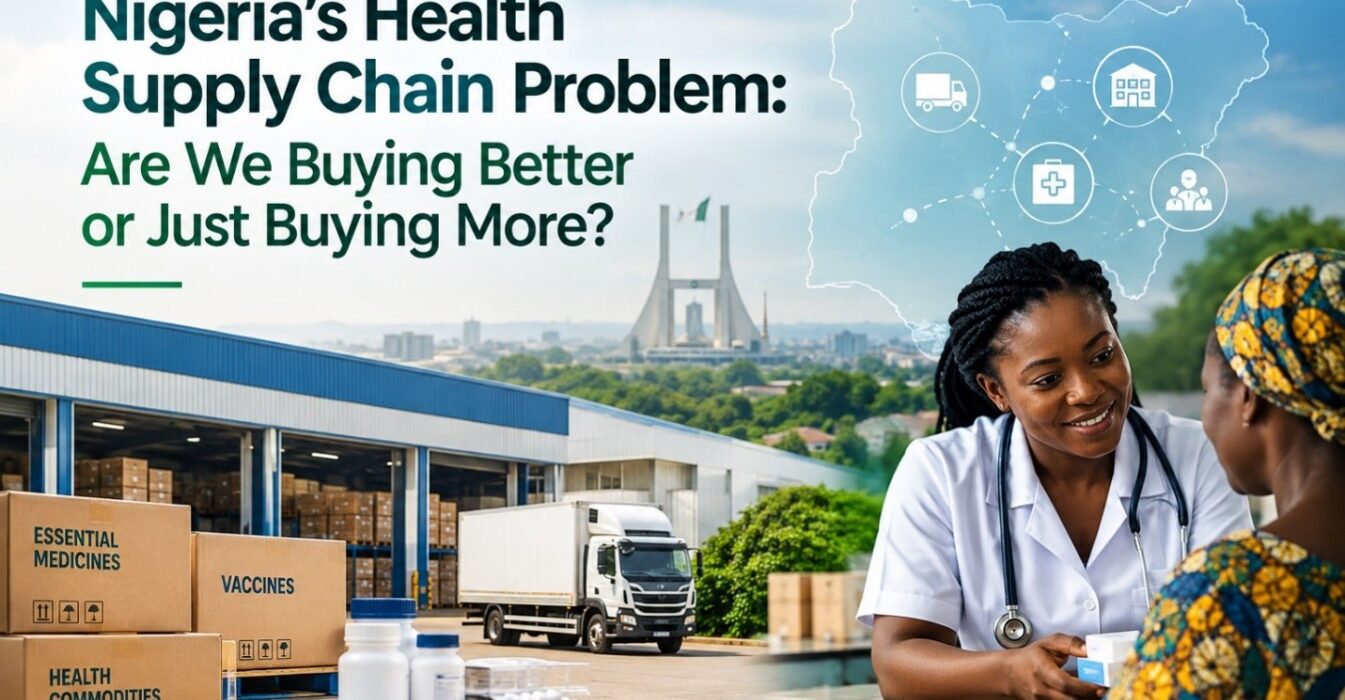
How Local Manufacturing Can Transform Nigeria’s Malaria Fight

Nigeria accounts for over 27% of global malaria burden  and 31% of the estimated deaths. To put this into perspective, in 2021 alone, 194,000 deaths were reported from the mosquito-borne disease in Nigeria. Malaria is transmitted throughout Nigeria, with 97% of the population at risk. Experts have reported that pregnant women and under-five children are most at risk of the disease.

Yet, access to affordable treatment continue to be challenging. A major reason for this is that Nigeria imports over 70% of medicines, including life-saving malaria medicines and diagnostics, from China and India. The reliance on imported malaria commodities such as Artemisinin-based Combination Therapies (ACTs), Rapid Diagnostic Tests (RDTs), and Active Pharmaceutical Ingredients (APIs) continues to undermine Nigeria’s malaria response. But a new presidential initiative is opening the door for transformative change, as local manufacturers are being urged to step up.

The burden of dependency

For decades, Nigeria has depended on donor-funded imports to meet most of its malaria-related healthcare needs. While this supply chain has supported national control programs, it has also made Nigeria vulnerable to global market dynamics, logistical delays, and supply chain disruptions.

Available evidence also suggests that it contributes to stock-outs of RDTs and ACTs. Moreover, prices fluctuate unpredictably, and communities are often left unprotected during peak transmission seasons. These challenges have created bottlenecks not only for malaria control but also for broader public health resilience.

The human cost of this dependency became starkly apparent during the COVID-19 pandemic when Amina, a pregnant mother in rural Kaduna State, walked 15 kilometers to a health facility only to find that malaria rapid tests were out of stock. Her story echoes across Nigeria, where supply interruptions force families to seek care from unregulated sources or go without treatment entirely.

What local manufacturing can achieve

The Covid-19 pandemic highlighted the many challenges in medicine and medical supply chains, including over-reliance on pharmaceutical imports. Among other things, it showed that supply interruptions have numerous implications, including widespread use of substandard antimalarial medicines.

While there are up to 375 medicine producers in Africa, reports indicate that only six manufacture drugs to World Health Organization (WHO) prequalification (PQ) standards. Only recently, in 2024, did Swiss Pharma Nigeria Limited (Swipha) become the first Nigerian manufacturer of WHO-prequalified sulfadoxine-pyrimethamine, used for preventing malaria in those most at-risk – children and pregnant women.

A success story: Swipha’s breakthrough

Swipha’s achievement represents more than a manufacturing milestone. It demonstrates Nigeria’s capacity to meet international quality standards. This success provides a blueprint for other manufacturers while proving that local production can compete globally on quality.

With the right support, local manufacturing of malaria medicines offers several advantages:

Improved Access & Availability

When diagnostics and treatments are produced domestically, they can be distributed more quickly to health facilities, including those in remote or conflict-affected areas. Additionally, local producers can align their output with Nigeria’s actual disease burden and seasonal needs, improving efficiency.

Cost Reductions & Economic Value

While upfront investments in local manufacturing are substantial, the long-term payoff is significant. Economies of scale, lower freight costs, and reduced currency exposure can eventually lower unit costs. Local production also stimulates job creation in pharmaceuticals, logistics, engineering, and quality assurance contributing to Nigeria’s broader goal of economic diversification.

Health Security & Sovereignty

Producing essential malaria commodities within Nigeria strengthens national health security by reducing exposure to global supply shocks and geopolitical trade frictions. Importantly, it allows Nigeria to respond quickly to outbreaks or emergencies, using available local capacity. During the 2020 global supply crisis, countries with robust local pharmaceutical manufacturing maintained treatment availability while import-dependent nations faced critical shortages.

How PVAC Is laying the foundation

Recognizing these opportunities, the Nigerian government launched the Presidential Initiative on Unlocking the Healthcare Value Chain (PVAC) in 2023. This initiative aims to usher in a new era of local manufacturing of malaria medicines, diagnostics, and prevention tools. The plan prioritizes:

  • Anti-infectives, including antimalarial drugs like sulfadoxine-pyrimethamine and artemisinin-based combinations
  • Rapid Diagnostic Tests (RDTs) for malaria
  • Long-Lasting Insecticidal Nets (LLINs), a key tool in malaria prevention.

By 2030, the goal is for 70% of Nigeria’s health commodities to be locally produced. This includes establishing at least five new medical supplies and diagnostics plants, attracting foreign investment, and creating over 30,000 skilled jobs, including those supporting malaria control efforts.

To achieve these goals, PVAC commits to:

  • Supporting tariff waivers and regulatory fast-tracking for investments in local drug and diagnostic production.
  • Providing technical assistance and market shaping to ensure demand and sustainability.
  • Improving access to capital for Nigerian manufacturers and startups involved in malaria-related health technologies.

A strategic investment in Nigeria’s future

Local manufacturing represents more than a health intervention; it is a development strategy that offers Nigeria a pathway from dependency to self-reliance, from vulnerability to resilience. Nigeria has the market demand, growing technical capacity, and motivation to succeed. With sustained political will and support, we will eradicate malaria!

By 2035, Nigerian families like Amina’s should never again find empty shelves where life-saving medicines should be. This vision is not just achievable; it is essential for Nigeria’s health security and economic future.

Remote Newborn Care Training Proves Effective in Low-Resource Settings

The first 28 days of life are the most critical and vulnerable for a child’s survival. Every year, an estimated 2.4 million newborns die globally within the first month of life due to preventable causes, such as preterm birth, intrapartum-related complications like birth asphyxia, infections, and birth defects.

The statistics are more concerning in low-resource settings, where access to quality healthcare systems is limited. For all global neonatal mortality, high-income countries account for only 1 percent. The average neonatal mortality rate (NMR) of high-income countries is 4 per 1,000 live births; meanwhile, it is 33 per 1,000 live births in low-and middle-income countries (LMICs).

The COVID-19 worsened neonatal mortality in LMICs, due to restricted movements and unprecedented disruptions in many countries health systems. A 2022 WHO pulse survey reported that over 40% of African countries experienced disruptions to routine maternal and neonatal health services.

Moreover, it resulted in many birth attendants, especially in rural areas, not accessing updated knowledge and hands-on practice for managing neonatal emergencies. This created an urgent need for an alternative scalable model that could deliver critical knowledge when the traditional face-to-face method is not accessible.

 A Remote Training Model That Works 

To address this gap, the Essential Newborn Care (ENC) Training model was developed and deployed remotely through a partnership led by the American Academy of Paediatrics (AAP) and Laerdal Global Health. This model delivers critical skills to healthcare workers involved in newborn resuscitation and care in low-resource settings.

The training followed a Low-Dose, High-Frequency (LDHF) approach; short, repeated practice sessions that reinforce retention and build confidence. Facilitators were trained remotely, and health workers received hybrid learning at their facilities.

What the Data Show

The Essential Newborn Care (ENC) Now! initiative, was implemented in Nigeria and Bangladesh. These countries were among the six countries with the highest numbers of neonatal deaths. The findings demonstrated effectiveness of the approach:

  • Bag-Mask Ventilation (BMV) performance improved significantly between baseline and post-training.
  • Across all study sites, pass rates significantly improved from baseline (BL) to post-training (PT).
  • Pass rates for both Objective Structured Clinical Exam (OSCE A and B) were high immediately post-training and remained strong at endline, demonstrating retention of applied clinical skills.
  • Performance on the NeoNatalie Live (NNL) manikin scenarios generally continued to improve from post-training to endline (EL), indicating sustained gains through low-dose, high-frequency (LDHF) practice.

Why This Matters for Health Systems

This remote training model promises beyond skill-building, what is possible when health systems invest in accessible, context-specific, and data-driven training models.

  • Access:  Remote facilitation overcomes geographic and logistical barriers, reaching providers in rural, low-resource, or conflict-affected settings.
  • Retention: The LDHF approach reinforces essential clinical skills through regular and short practice sessions. This helps health workers retain critical knowledge over time and enhance their readiness in real-life situations.
  • Scalability: The hybrid facilitation model combines remote orientation with local, on-site mentoring and enables rapid rollout without compromising training quality.

Conclusion

Remote ENC training shows promising result. Therefore, to strengthen newborn care at scale, governments, NGOs, and health partners should integrate remote LDHF training models into national health strategies by investing in ongoing mentorship and ensuring local adaptation. This is a practical way forward to scale impactful solutions and maintain a focus on quality improvement.