





Safe Motherhood in the Age of Antimicrobial Resistance: From Evidence to Health-System Action
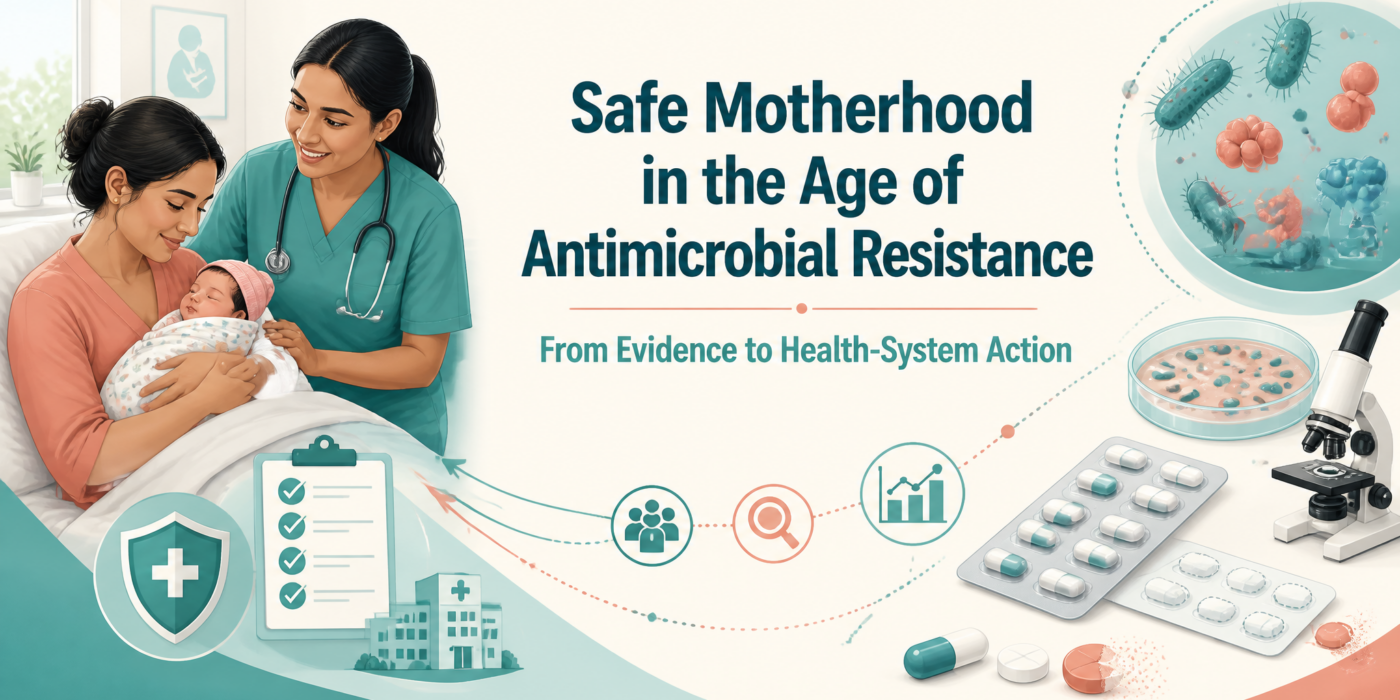
Safe Motherhood in the Age of Antimicrobial Resistance: From Evidence to Health-System Action
An effective antibiotic can be lifesaving for a woman experiencing a serious infection during pregnancy. But what if the antibiotics don’t work? What does that mean for the woman and the child she is carrying? These questions remind us that maternal health and antimicrobial resistance (AMR) are more closely connected than they are treated.
Safe motherhood depends, among other things, on the ability to prevent infections, recognise them early and treat them effectively. As AMR continues to grow as a global health challenge, it is increasingly necessary to preserve the effectiveness of medicines used to prevent and treat infectious diseases in women during pregnancy, childbirth and the postpartum period.
Maternal infection
Although progress has been made in reducing maternal mortality, the challenge persists in many parts of the world. In 2023 alone, about 260 000 women died during and following pregnancy and childbirth. About 92% of these deaths occurred in low- and lower-middle-income countries.
While there are numerous causes of this challenge, infection deserves attention. The World Health Organisation defines maternal sepsis as a life-threatening condition resulting from infection during pregnancy, childbirth, after an abortion or during the postpartum period. It remains one of the leading direct causes of maternal mortality globally.
The scale of maternal infection provides more perspective. The Global Maternal Sepsis Study (GLOSS) conducted across 52 countries shows that about 70 pregnant or recently pregnant women per 1,000 live births had an infection requiring hospital management. Approximately 11 per 1,000 experienced a severe maternal outcome associated with infection, rising to as many as 15 per 1,000 in low- and middle-income countries. Most of these infections can be treated. But that depends on having antimicrobials that still work.
Antimicrobial resistance
Antimicrobial resistance occurs when microorganisms no longer respond to medicines designed to treat them. As resistance develops, infections can become harder and sometimes impossible to treat. This could increase the risk of severe illness, complications and death.
In maternal care, serious infections can progress quickly and have adverse consequences. For example, a woman who develops sepsis cannot always wait for lengthy laboratory processes before treatment begins. Clinicians may need to start empirical antibiotic treatment immediately while diagnostic investigations are underway. The World Health Organisation has warned that AMR can compromise the management of sepsis because effective empirical antibiotic treatment is often needed early. This means that AMR is not simply a problem of medicine use; it is also a health system challenge.
The answer is not simply “more antibiotics”
Women with serious bacterial infections need timely access to effective antibiotics. Delaying appropriate treatment in sepsis can be dangerous. At the same time, unnecessary or inappropriate antibiotic use contributes to antimicrobial resistance.
The solution, therefore, cannot be indiscriminate restriction of antibiotics. Nor can it be routine expansion of antibiotic use “just in case.” The aim should be the right antibiotic, for the right patient, at the right time, for the right indication and for the right duration, supported by good clinical judgement, diagnostics and local evidence.
WHO guidance recommends preventive antibiotics for specific obstetric needs, while limiting unnecessary use to reduce antibiotic resistance. This means that the careful and appropriate use of antibiotics should be part of routine, high-quality maternal healthcare.
From evidence to health-system action
If we want to protect mothers while preserving the effectiveness of antibiotics, action is required at several levels.
- Strengthen infection prevention and control in maternity care
Preventing infections reduces maternal harm and lowers the need for antibiotic treatment. Hand hygiene, safe caesarean and delivery practices, sterilisation, environmental cleanliness, appropriate prophylaxis, and adequate water, sanitation and hygiene infrastructure are therefore central to both safe motherhood and AMR control.
- Build stronger diagnostic and surveillance systems
Health workers need information that helps them move from broad empirical treatment towards targeted therapy when appropriate. Having data is only the beginning. It must be used by clinicians, programme managers and policymakers when decisions need to be made.
- Support health workers to practise antimicrobial stewardship
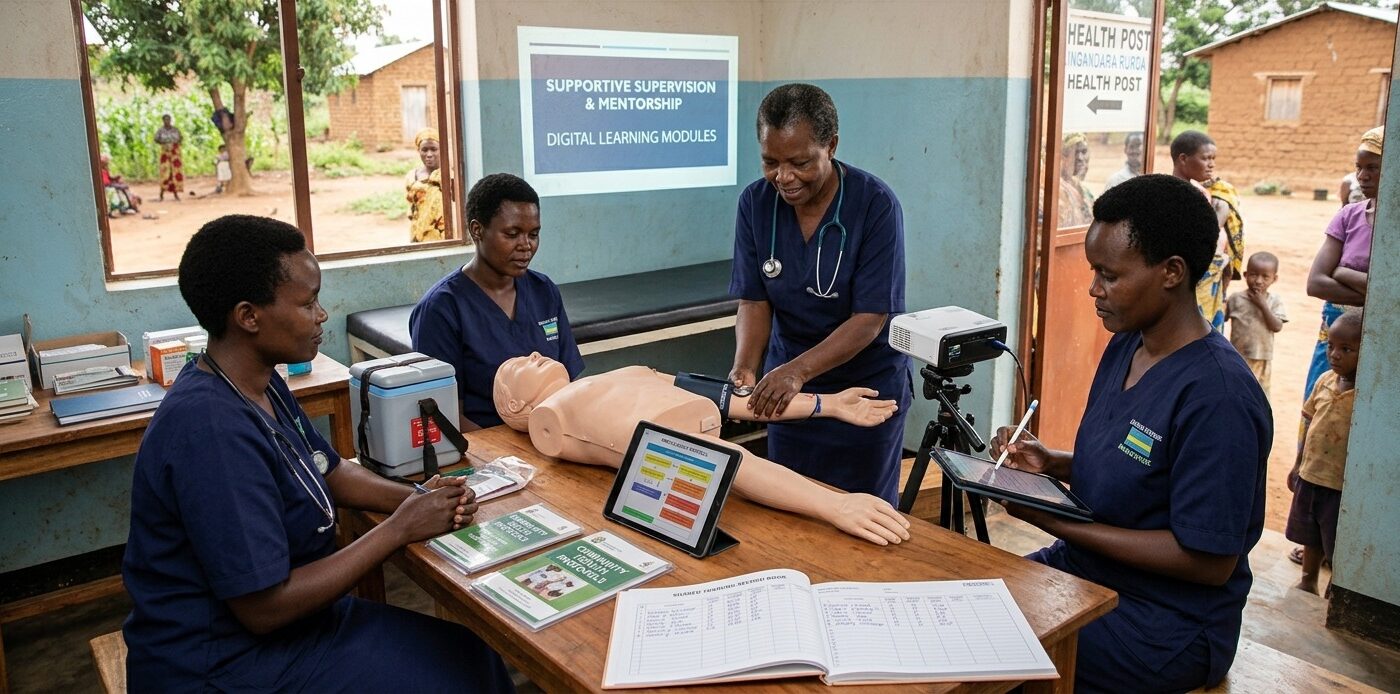
Doctors, nurses, midwives, pharmacists and laboratory professionals need training, diagnostics, essential supplies, supportive supervision and clear referral systems. A technically competent health worker may still struggle to provide high-quality care when the system around them is weak.
This is why workforce strengthening must go beyond recruitment. The conditions in which health professionals work directly influence their ability to translate evidence into safe patient care.
- Generate maternal-specific AMR evidence
Researchers need to generate more maternal-specific AMR evidence that answers important questions: Which organisms are commonly associated with maternal infections in different settings? What are their resistance profiles? How do these patterns vary geographically and between levels of care? Are current empirical treatment guidelines aligned with local susceptibility patterns? What happens to women who develop resistant infections? These are questions that clinical research and routine surveillance can help answer.
- Translate national AMR commitments into maternal care
Nigeria’s One Health Antimicrobial Resistance National Action Plan 2024–2028 provides a national framework encompassing surveillance and research, infection prevention, antimicrobial stewardship, public awareness and improved evidence-based decision-making. The opportunity now is to ensure that these priorities reach specific areas of care, including maternal, newborn and reproductive health.
Our InSight
At InSight Health Group, we see the movement from evidence to action as central to stronger health systems: clinical research helps generate and strengthen evidence; health consulting helps translate evidence into policy, programmes and implementation; and community engagement helps ensure that health interventions remain connected to the people they are intended to serve. This evidence-to-impact pathway shapes our broader approach to health-system strengthening.
The future of safe motherhood will depend not on whether women can reach health facilities and receive skilled care. It will also depend on whether those facilities can prevent infection, identify it quickly and treat it with effective medicines.
In the age of antimicrobial resistance, protecting mothers also means protecting the effectiveness of the medicines they may one day depend on.